
Seedance A/B Video Ad Variations: A Simple Workflow
Create clearer Seedance A/B video ad variations by changing one variable at a time, reviewing the render, and keeping claims and product facts outside the generation prompt.
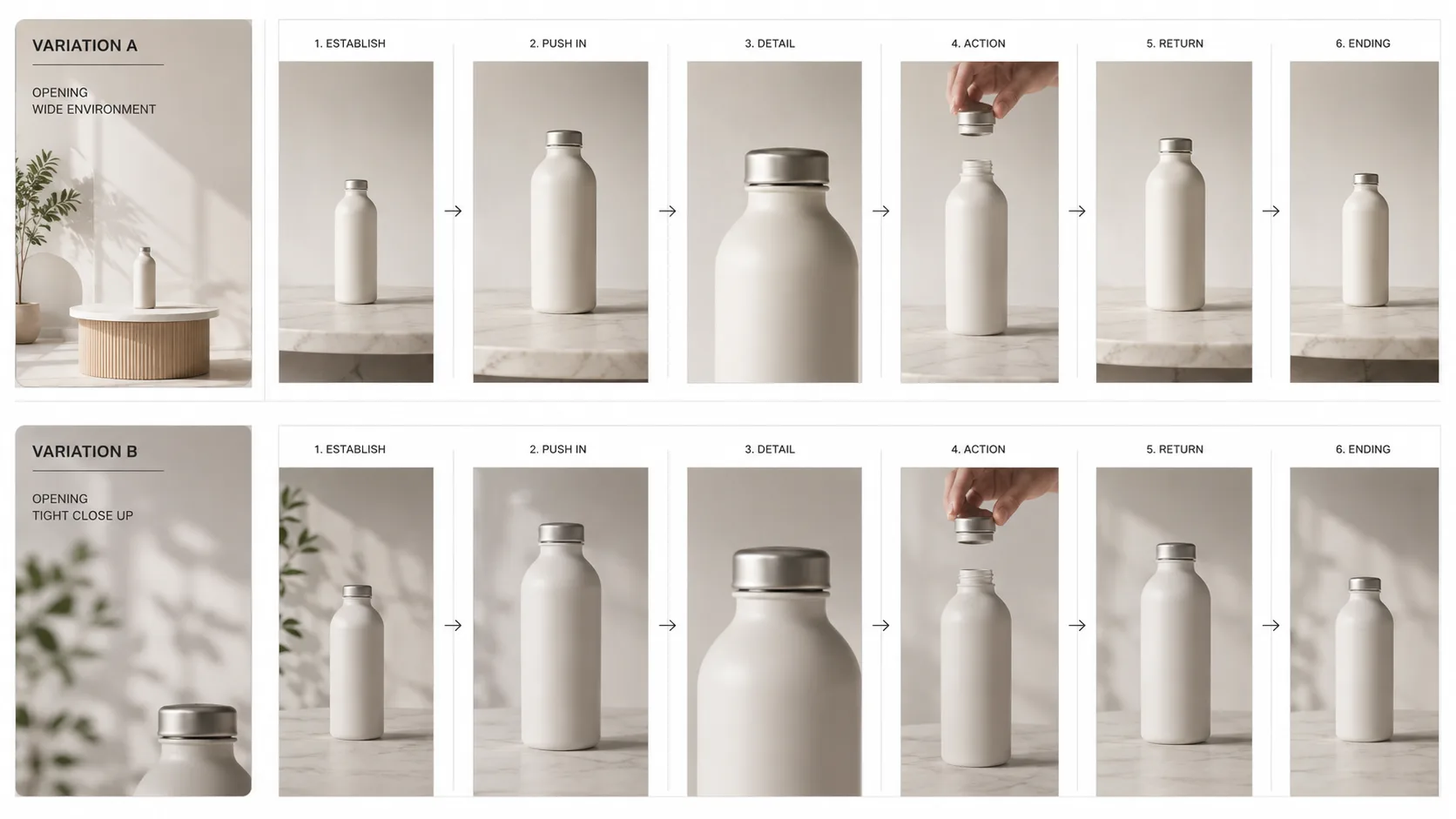
A/B video ad variations are useful only when a viewer-facing difference is deliberate. Start with one approved product fact and one audience question, then change a single variable—usually the first-second hook, camera framing, or closing CTA—while the rest stays stable.
Last updated: July 25, 2026 · about 5 min read
Seedance can help create motion drafts, but it cannot validate pricing, availability, legal claims, or audience targeting. Keep those facts in approved copy and a normal editing workflow.
Choose one thing to test
| Keep fixed | Test in version B |
|---|---|
| Product, approved visual, and audience | First-second hook |
| Core benefit and factual copy | Camera distance or action beat |
| Aspect ratio and placement | Ending CTA treatment |
| Review window | One visual pace choice |
If both the message and the visual change, the result is harder to interpret.
Write two controlled prompts
For Version A, describe the product, environment, motion, camera, and final frame. For Version B, copy the same prompt and alter one line. Example:
Version A: Start on a close detail of the bottle cap, then pull back to the full product on a clean table.
Version B: Start on the full product centered on the table, then make a slow push toward the cap detail.
Keep the product reference, lighting, and final frame stable. Any label, price, or claim that must be exact should be added from an approved source after generation, not trusted to an AI video generator.
Review before you measure
Check each render for warped product edges, altered packaging, unreadable text, unexpected people, and continuity issues. A version cannot be a fair performance test if it fails the basic production review.
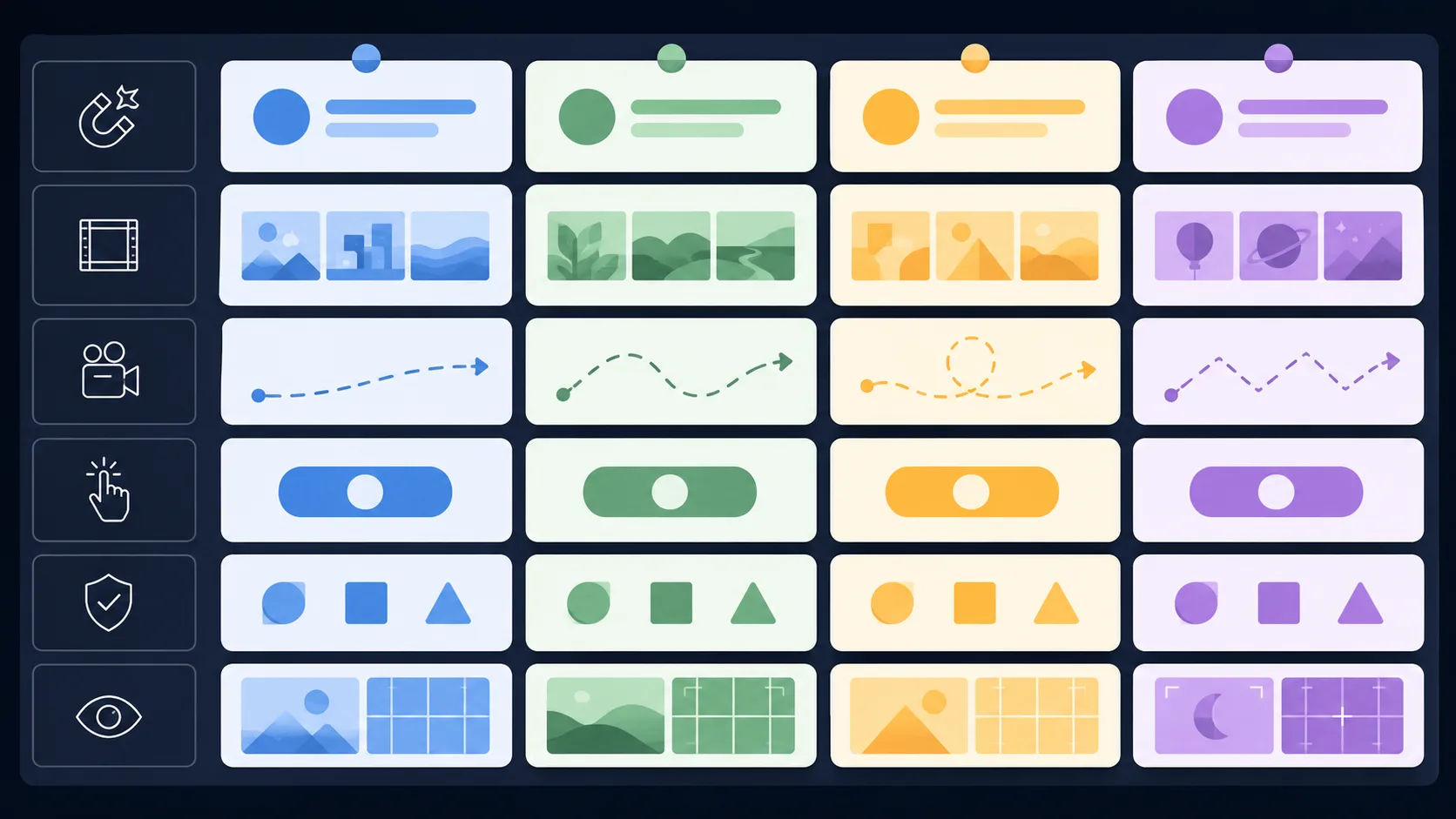
Reviewing the asset is part of the experiment, not an afterthought.
Record the decision, not just the view count
For each version, note the hypothesis, what actually changed, where it ran, the observation window, and any quality issue. Then decide the next smallest test. A stronger opening might improve early attention while a calmer ending improves clarity; those are different lessons.
For the production handoff, see the Seedance ad video workflow. If the clip may be shown to a client or used commercially, use the commercial-use checklist before release. A disciplined workflow makes generated variations more useful than a large pile of unrelated renders.