
Seedance Ethical Use Checklist for AI Video Creators
A practical Seedance ethical-use checklist for consent, source rights, misleading visuals, protected IP, and review before publishing an AI video.
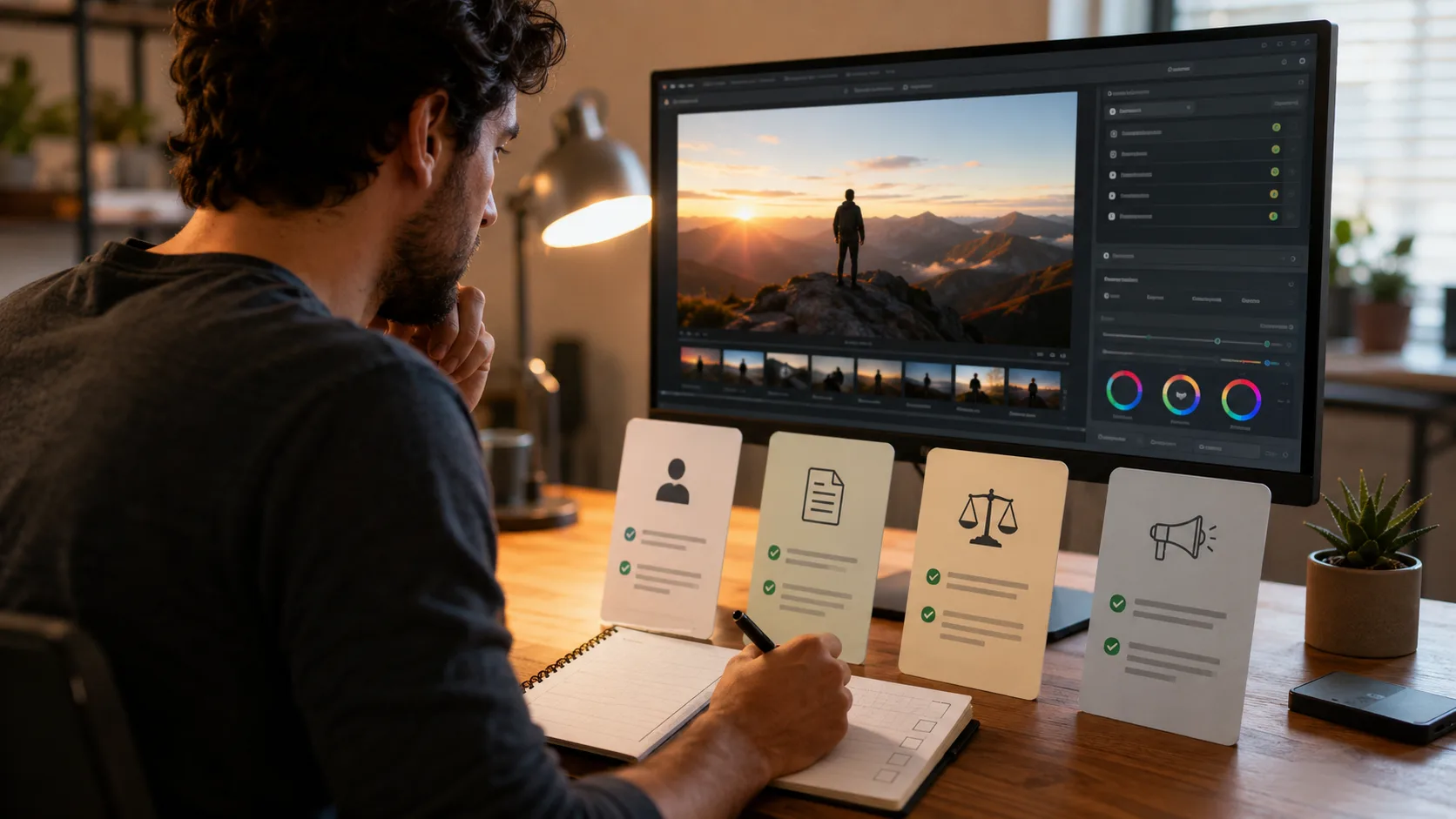
Ethical AI video use starts before the prompt: use material you are allowed to use, get consent from recognizable people, avoid deceptive context, and review the finished clip before it reaches an audience. Seedance can help you create a short visual draft; it does not decide whether the source, claim, or final use is appropriate.
The same boundary applies to any AI video generator: a polished render does not supply consent, rights, or a reason to present invented footage as real.
Last updated: July 27, 2026 · about 6 min read
This is a practical publishing checklist, not legal advice. For a client-facing handoff, also use the commercial-use checklist and confirm the current rules that apply to your project.
Check consent and source rights
Before you generate, ask whether every person, image, logo, character, track, and reference belongs in the clip. A source being easy to find online does not make it free to animate or publish. Be especially cautious with real people, children, private locations, brand assets, and recognizable fictional characters.
Avoid misleading visual claims
AI video can make an event, endorsement, product behavior, or human action look plausible even when it never happened. Do not present generated footage as documentary evidence. Keep exact product text, pricing, performance claims, and verified brand assets in a normal editorial workflow where they can be checked.
An AI video generator is most useful here as a draft tool with a named reviewer, not as the final authority for a public claim.
For an image-led generation, use a permitted and well-understood source. The Seedance image upload privacy checklist covers what to inspect before the file enters the workflow.
Run a four-part review before release
- Consent: Would every recognizable person reasonably expect this use and motion?
- Rights: Do you have permission for the source, music, logos, and references?
- Context: Could the result make a false claim, fake an event, or imply an endorsement?
- Output: Does the full frame contain warping, invented details, or material that needs a human edit?

If one check is unclear, pause the publish rather than assuming the render is safe.
Make the review proportional to the risk
A private concept test and a public campaign do not carry the same consequences. The closer a video is to marketing, client delivery, political context, health claims, or a recognizable person, the more deliberate the review should be. Avoid trying to disguise an AI origin or bypass a platform’s safety rules.
Seedance is most useful when it accelerates a legitimate visual task while the creator remains responsible for the source and final message. A short, consistent check before publishing protects both the audience and the work you are trying to make.
That review discipline travels with any AI video generator, even when the output looks finished enough to publish immediately.